
What engineers do, the impacts of engineering, and how energy is transferred, wasted and measured: everything in Booklets 1 and 2.
You may use a calculator and the data booklet. When a question says describe or explain, say what and why.
Engineers and what they do
Engineers use science and maths to solve real problems. There are four main types, and a big project needs all four.
The four main types of engineering
- Electrical — electricity and circuits: power supplies, wiring, lighting and control systems.
- Mechanical — machines and moving parts: engines, gears, pumps and brakes.
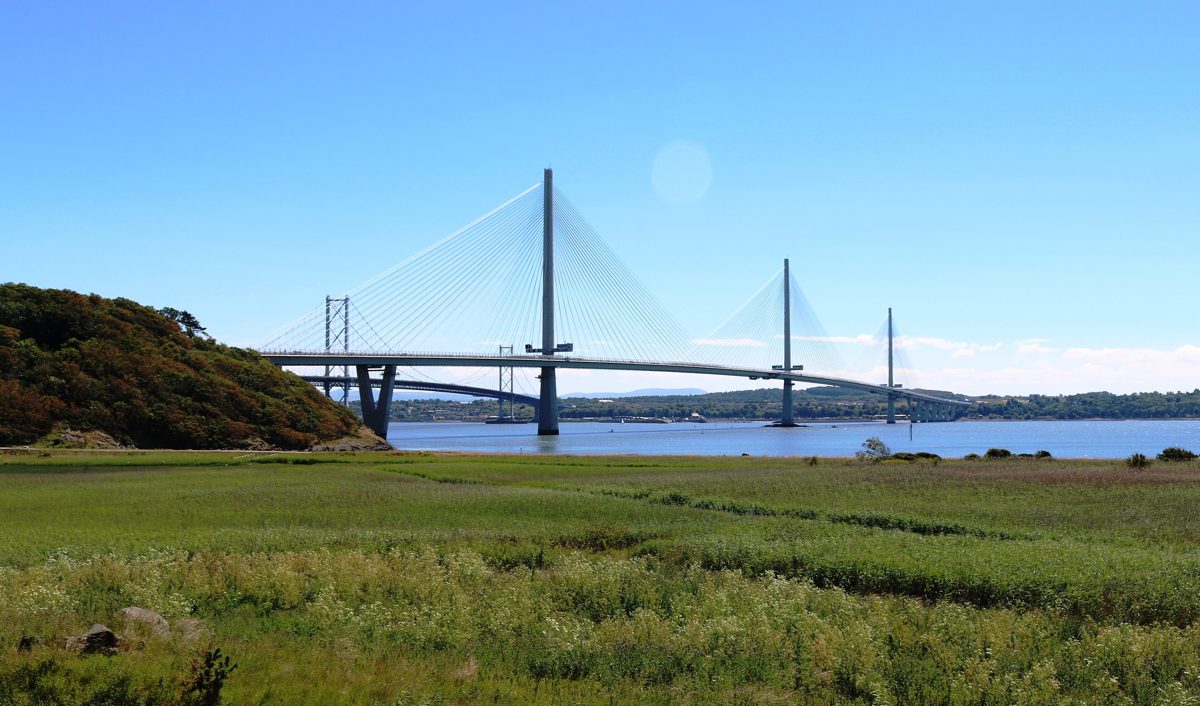
- Civil — structures: roads, bridges, tunnels, dams and buildings.
- Chemical — materials and chemical processes: fuels, plastics, medicines and paints.
One project, many engineers
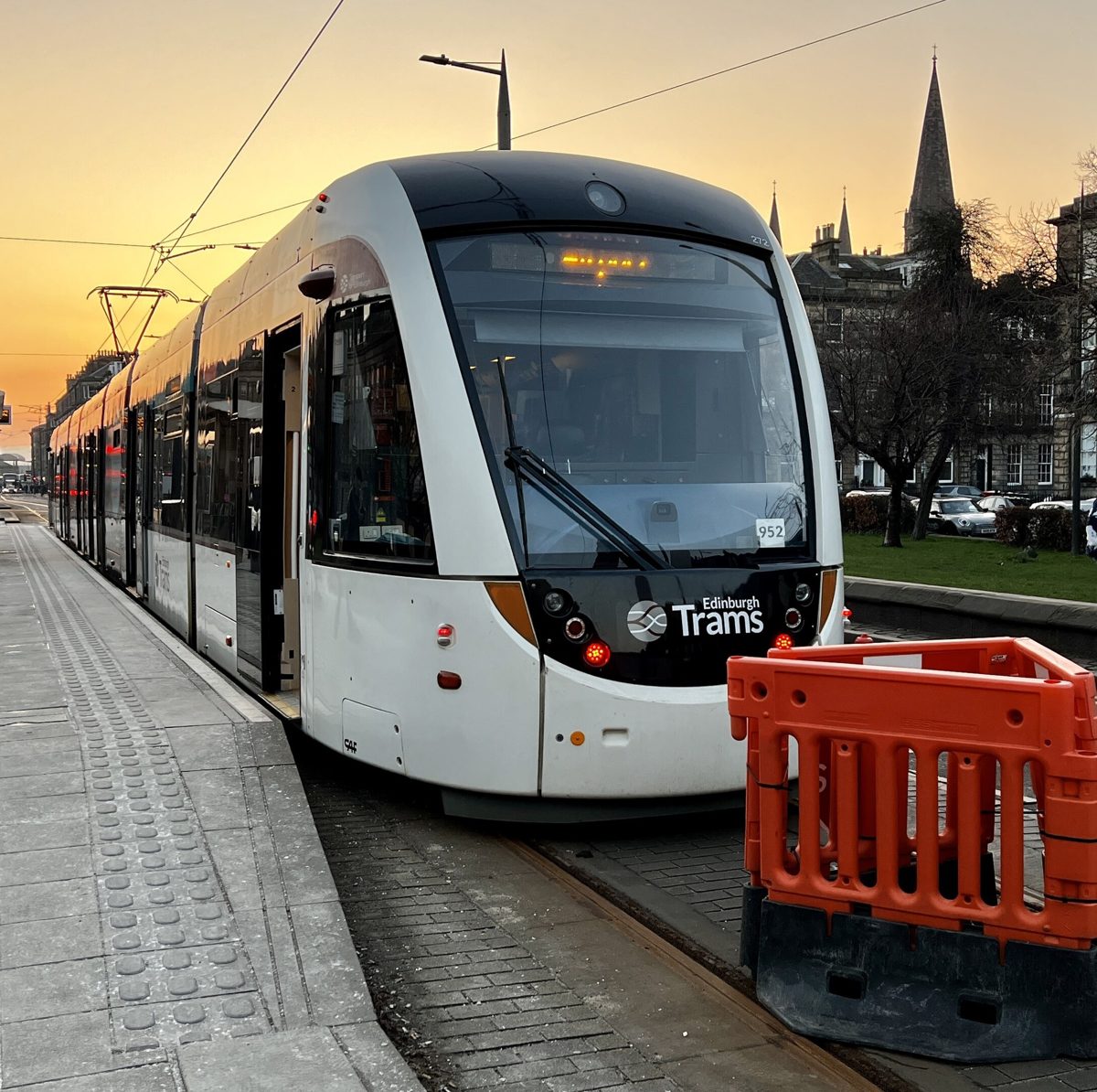
The Edinburgh Trams needed every type of engineer.
- Civil engineers designed the track bed, the bridges and the tram stops.
- Electrical engineers designed the overhead lines that supply power to the trams.
- Mechanical engineers worked on the trams' motors, brakes and doors.
- Chemical engineers chose materials, such as the coating that stops the steel rusting.
Describe one task a civil engineer would carry out on a flood scheme.
✗ “Builds walls.” — 0 marks. It doesn't say what the wall is for.
✓ “Designs the embankments that hold back flood water (what), so that they are strong enough to stop homes flooding (why).” — 1 mark.
Design, build, test, improve
- Design — sketch ideas, plan, and choose materials.
- Build — make a prototype: a first working version, made so it can be tested.
- Test — try it, measure it and find any faults.
- Improve — change the design to fix the faults, then test again.
Engineers go round this loop again and again until the product works. Your marble run went round it too.
Impacts of engineering
An impact is an effect or change caused by something. Every project has three types of impact, and most have good and bad ones.
Three types of impact
- Social — people's lives: safety, travel, health, communication and services.
- Economic — money and jobs: jobs, costs, profits, tourism and trade.
- Environmental — the natural world: pollution, carbon emissions, habitats and waste.
Watch out: “it saves money” is economic, even when the project is a green one.
One project, all three types
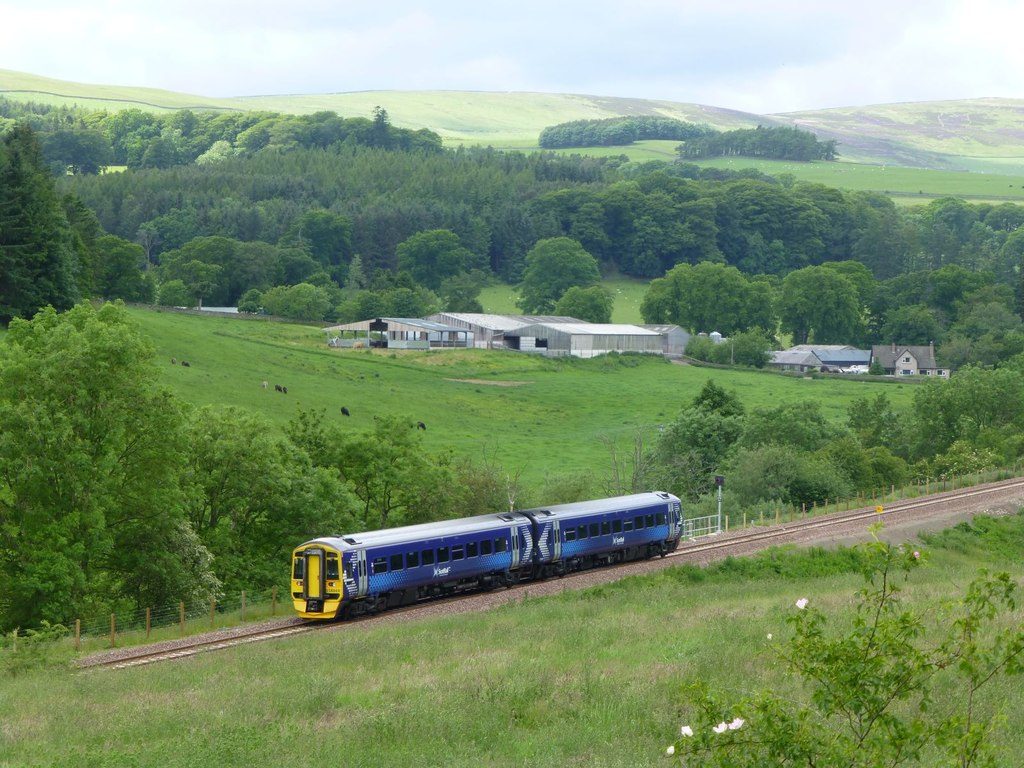
The Borders Railway reopened in 2015.
- Social: people in Galashiels can reach work, college or hospital in Edinburgh without a car.
- Economic: tourists come by train and spend money in Borders shops.
- Environmental: fewer car journeys, so less exhaust and less CO₂.
Both sides: what + why + who
A strong answer says what the effect is, why it happens, and who or what is affected. “One positive and one negative” means two different effects.
✗ “They're useful.” — 0 marks.
✓ Positive: people can call for help from anywhere, so they are safer when out alone.
✓ Negative: some people use their phones late at night, so they get less sleep.
Real examples from Scotland
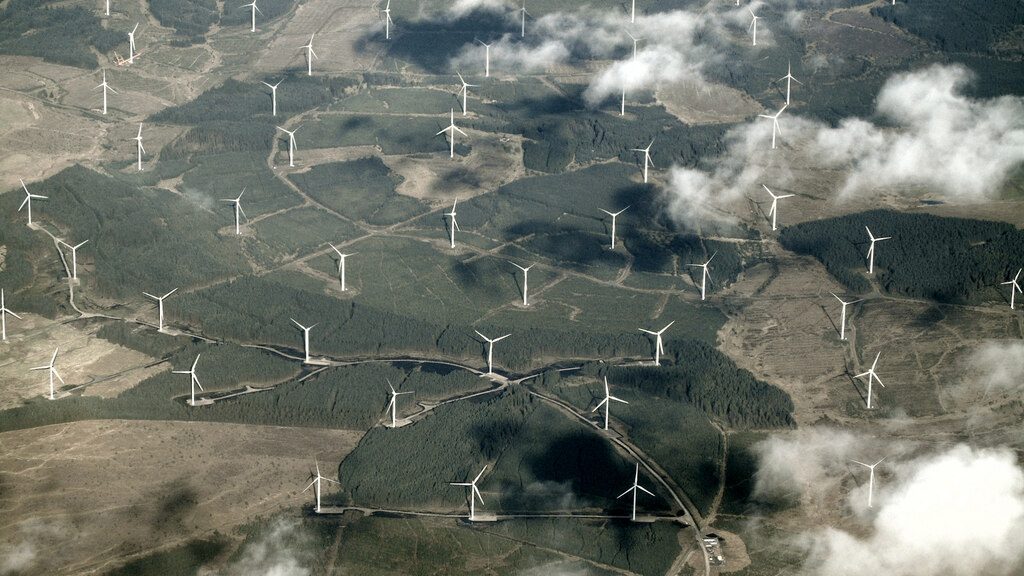
Using a real, named project earns marks. Learn one effect for each of these.
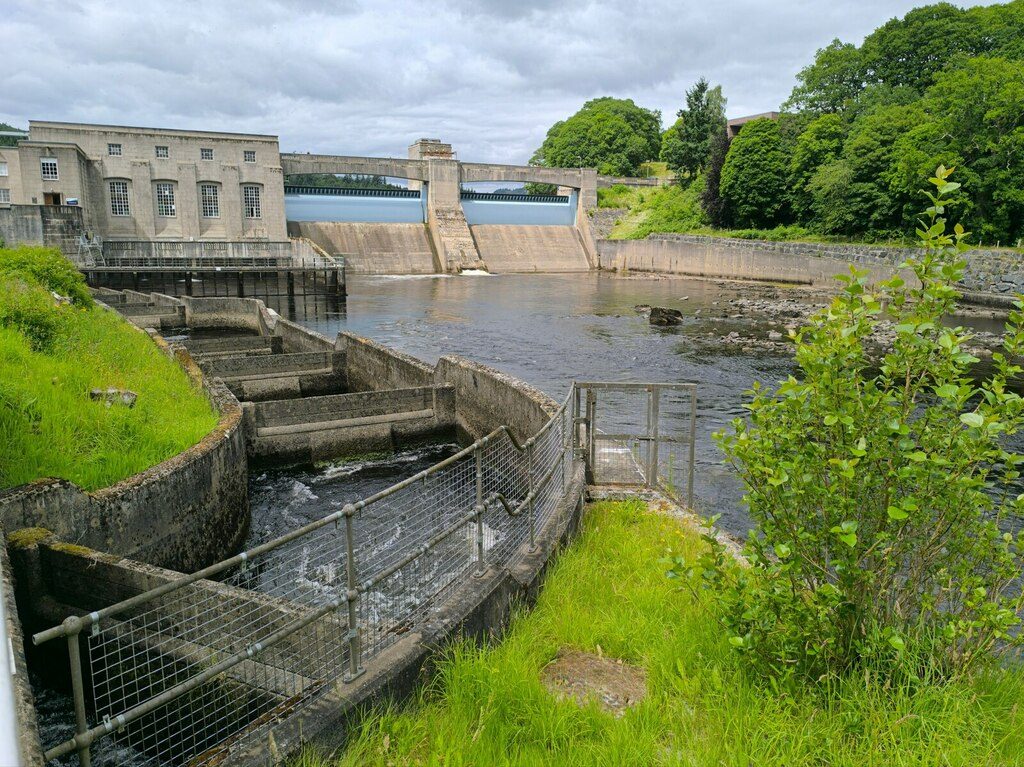
Describe one negative environmental effect of a hydro-electric dam, and how engineers reduced it.
0 marks: “Dams are bad for fish.”
What + why: “The dam blocks the river, so salmon can't swim upstream to breed.”
With a real example: “At Pitlochry Dam, engineers built a fish ladder so salmon can still get past.”
Energy in, energy out
Energy is never used up. It is transferred from one form to another, and some always ends up where we don't want it.
Eight forms of energy
Energy is measured in joules (J). Three forms are stores, and five are energy on the move.
- Chemical — stored in fuel, food and batteries.
- Gravitational potential — stored in anything raised up high.
- Elastic — stored in anything squashed or stretched, like a spring.
- Kinetic — anything moving.
- Electrical, heat, light and sound.
Watch out: a battery stores chemical energy, not electrical. Always say “gravitational potential”, not just “potential”.
Input, useful and wasted energy
- Input energy — the energy that goes in.
- Useful output energy — the energy that does the job we want.
- Wasted energy — energy that doesn't do the job, usually heat or sound. It spreads out into the surroundings.
Watch out: the input is what goes in. A wind turbine's input is the kinetic energy of the wind; electrical is its output.
Drawing an energy transfer diagram — 2 marks
- Draw a box and write the device in it.
- Draw the input arrow going in on the left.
- Draw the useful output arrows coming out on the right.
- Draw the wasted energy on its own arrow, going down.
Mark 1: the input and useful output are right. Mark 2: the wasted energy is shown separately. If heat is drawn as useful when it isn't, the second mark is lost.
Useful or wasted? It depends on the job
Efficiency, power and teams
Efficiency tells you how much of the input energy does the useful job. Power tells you how fast energy is transferred.
Calculating efficiency
Efficiency is always a percentage and can never be more than 100 %, because you can't get out more energy than you put in.
A car engine takes in 400 J of chemical energy from petrol and gives out 140 J of kinetic energy. Calculate its percentage efficiency.
efficiency = 140 ÷ 400 × 100 (1 mark)
= 35 % (1 mark)
The other 260 J is wasted, mostly as heat.
Why engineers improve efficiency
A more efficient machine wastes less energy, so:
- it costs less to run — lower energy bills;
- less fuel is burned at power stations, so less CO₂ is released;
- it runs cooler, so it lasts longer;
- batteries last longer between charges.
Watch out: “to waste less energy” on its own scores 0. That is what efficiency means. Say why it matters.
Power: how fast energy is transferred
1 watt means 1 joule transferred every second.
A microwave oven transfers 26 400 J of energy in 24 s. Calculate its power.
P = E ÷ t = 26 400 ÷ 24 (1 mark)
= 1100 W (1 mark)
Energy use, cost and the environment
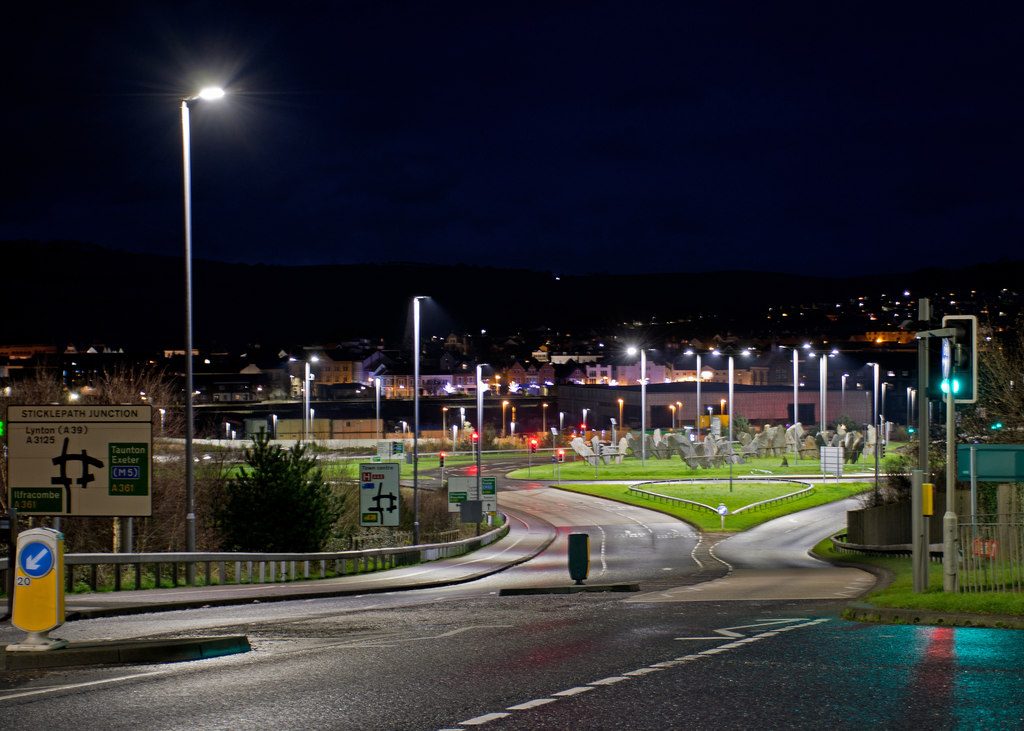
Using more energy means a bigger bill. Most electricity still comes partly from burning gas, so it also means more CO₂, which adds to climate change.
Ways to cut both: switch things off, use sensors and timers, insulate buildings, and choose efficient appliances.
The marble run: where the energy goes
- At the top, the marble has gravitational potential energy.
- As it rolls down, gravitational potential changes into kinetic energy. Friction and air resistance transfer some energy to heat and sound, which is wasted.
- So it reaches the cup with less kinetic energy than it would have had without friction, and it is moving more slowly.
Worked example: a bouncing ball
Why doesn't a dropped ball bounce back up to the height it started from?
Each bounce transfers some energy to heat and sound (what). So less kinetic energy is left, and the ball can't climb as high (why).
Good engineering teamwork
A good team:
- shares out the jobs, so everyone has one;
- listens to every idea, so the best one is picked;
- agrees a sketch first, so everyone builds the same design;
- tests together, so faults are found early.
Watch out: “we worked together” scores 0. Say what the team did and why it helped.
How sure are you?
Try a full practice test
Each one has the same shape as the real test: 30 marks in 30 minutes, with a Section 1 of short answers and a Section 2 of longer ones. The page marks the calculations; you mark the rest against the mark scheme.
Sources & credits: Booklets 1 and 2 and the lesson slides © R Stewart, 2026. The N4/N5 Engineering Science Data Booklet © Qualifications Scotland (SQA). Photos from Geograph Britain and Ireland, each CC BY-SA 2.0 and credited under it: Edinburgh tram © artful; Queensferry Crossing © Bill Kasman; Borders Railway © Russel Wills; Whitelee Wind Farm and Pitlochry fish ladder © Thomas Nugent; LED street lights © Roger A Smith. Photos resized for the web. Diagrams drawn for this site. R Stewart - September 2026.